Craps Come Bet Explained For Aussie Players Stepping Up To The Table
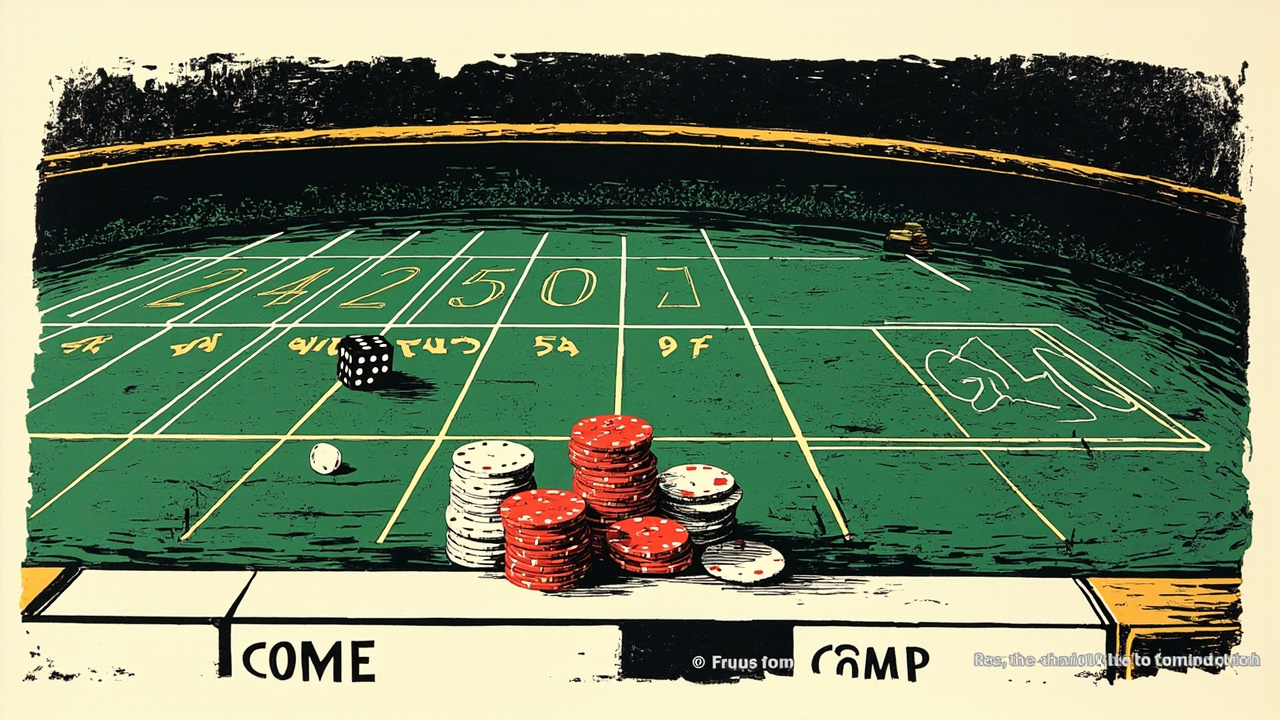
If you’ve watched a busy table and wondered how the come bet actually works, you’re not alone. It sits on the layout like a waiting passenger, then moves through stages until it either pays or gets swept. This walkthrough tracks the bet from your first chip to the point where it settles, with attention to how the bet behaves, what it costs to carry, and where the odds line up.
How the come bet moves through the come-out roll
When the dice are coming out, the come bet waits on the bar until a point is set. Once that point is locked in, your chip hops into the numbered box that matches the roll, and the bet now has its own point to chase. The come bet is essentially a fresh pass line bet that starts after the point is already established, which is why it can land on different numbers across a single hand. If the shooter rolls your come number before a seven, the bet moves to the corresponding box and waits to be paid at true odds if you’ve backed it with odds. If a seven hits first, the come bet loses, just like a pass line bet on the come-out. The key difference is timing: you’re not committing to one point from the start, you’re letting each roll decide where the bet goes.
The practical sequence is straightforward once you’ve seen it a few times. Place your chip on the come bar, wait for the next roll, and let the dealer move it into the right box. From there, you can take odds behind it, and the bet either pays when your number repeats or gets swept when seven rolls. That’s the whole loop, repeated hand after hand.
- Drop your chip on the come bar before the next roll, keeping it small enough that you can still track it as it moves.
- Let the dealer shift the bet into the numbered box that matches the come-out roll, then watch whether that number repeats or a seven appears.
- Decide whether to take odds behind the bet once it’s in the box, because odds pay at true odds and don’t carry the same house edge as the base line bet.
- Take the win when your come number hits again, or accept the loss when seven rolls before your number does.
Reading the house edge and the odds line
The come bet itself carries the same edge as the pass line, so the base wager is where the edge lives. What changes the picture is the odds bet, which pays at true odds and doesn’t add a new edge on top. That’s the part worth understanding before you stack chips behind a come number, because the odds portion is the only piece that can move the overall return without changing the house edge on the base bet. In practice, the come bet is a way to keep multiple numbers in play at once, and each one has its own odds behind it if you choose to take them. The catch is that every come bet is still exposed to a seven-out, so you’re managing several small bets rather than one large one.
If you’re comparing this to a support queue where you coach each agent on one specific issue at a time, the come bet is closer to running several small tickets in parallel. You’re not fixing the whole table with one bet; you’re letting each number carry its own outcome. That’s useful when you want action on more than one spot, but it also means more bets are live at once, and a seven-out clears them all. The decision to take odds is the same kind of call you’d make when you decide how much extra resource to put behind a tricky case: it can improve the return on that specific bet, but it doesn’t change the underlying edge on the base wager.
What this means for an Adelaide session on a warm arvo
If you’re playing in a crowded room where the pace is as unpredictable as a delayed Sydney train, the come bet is a bet that fits a patient style. You’re not trying to force a single number; you’re letting the dice decide where each chip goes, then taking the result as it comes. That suits a session where you’d rather keep chips working across a few spots instead of parking everything on one outcome. It also suits a player who’s comfortable watching bets move into boxes and waiting for either a repeat or a seven-out, because the bet doesn’t ask you to predict the whole hand in advance.
The same patience matters when you’re reading the room. Australian pubs with a gaming room often keep the pokies area separate and dimly lit by design, and that kind of layout can make a table feel like its own world, but the come bet still runs on the same rhythm no matter where you sit. If you’re after a bet that lets you spread small wagers across several numbers and take odds on the ones that land, the come bet is a workable option. If you’d rather keep things simple and wait for one point to repeat, the come bet’s multiple-bet nature may feel busier than you want.
Responsible play matters here, because the come bet can keep chips moving through several boxes at once, and that pace can blur into a longer session than you planned. Responsible-gambling advocates campaign to reverse many of these persuasive design tricks, and the same caution applies at a table where the action is constant and the bets are small enough to keep adding. Set a limit before you place the first chip on the come bar, and treat the odds bet as a deliberate choice rather than a reflex. tower-rush-online-au.com
If you want a place to compare table conditions and check current offers before you decide where to play, tower-rush-online-au.com keeps a running picture of what’s on the table and how the promos are structured. That can help you judge whether the pace and the bonus terms suit the kind of session you had in mind.

Early card games included Tarot, later adapted for fortune-telling, and it’s a reminder that people have always looked for patterns in chance, but the come bet is just a bet with a clear path: place it, let it move, take odds if you want, and settle for the result when the dice decide. If you like a bet that keeps a few numbers alive at once and you’re comfortable with the seven-out risk, it’s a practical way to play. If you’d rather keep everything on one point, look for a simpler line bet and leave the come bar for another day.