
How to Compare Online Casinos with a Licence
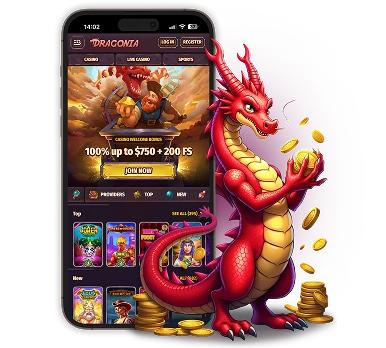
Choosing among www.nz-dragonia.org and similar platforms requires more than spotting a licence badge. New Zealand players should establish who operates the site, which regulator or licensing system is involved, whether the licence claim can be checked independently, and what restrictions still apply. A licence may indicate regulatory oversight, but it does not automatically confirm that every game, payment method or promotion is available locally. The most useful approach is to separate verifiable facts from marketing language before creating an account or depositing funds.
What does an online casino licence actually tell you?
An online casino licence generally means an operator has been assessed under the rules of a particular gambling jurisdiction. Depending on the regulator, those rules may cover ownership, technical systems, anti-money-laundering procedures, player verification, complaints, financial controls and game integrity. The scope varies considerably, so the word “licensed” on its own is incomplete information. A reader needs to know which authority issued the licence and which legal entity holds it.
The licence also has limits. It may apply to the operator rather than every software provider on the platform, and individual games can have separate territorial restrictions. A site may display a broad catalogue while some titles are unavailable to players in New Zealand. The same applies to sportsbook products, jackpots, live tables and promotional campaigns. Availability should therefore be confirmed in the operator’s current terms and account interface rather than assumed from the lobby.
Licensing is not a guarantee of winnings, uninterrupted access or a particular withdrawal experience. It does not make gambling a source of income, and it cannot remove ordinary account conditions such as age checks, identity verification or source-of-funds requests. It may provide a framework for oversight and complaints, but the practical protection available depends on the relevant jurisdiction and its enforcement processes. Treat it as one important due-diligence factor, not a complete quality rating.
How can you verify a licence claim?
Start by identifying the legal operator named in the website’s terms, not simply the trading name shown in banners. Compare the company name, registered address and licence number with the information displayed in the footer or regulatory section. A mismatch can be a warning sign, particularly if the site refers vaguely to an “international licence” without naming an authority. Save or record the details while they are visible, since website wording can change.
Next, visit the licensing authority’s own public register where one is available. Search for the exact legal entity and check whether the licence is active, what activities it covers and whether any restrictions or disciplinary notices are shown. Do not rely solely on a third-party review, a logo, or a search result. For general information about gambling regulation and New Zealand’s regulatory framework, the Department of Internal Affairs gambling information is a more suitable starting point than promotional material.
Finally, compare the verified record with the casino’s terms. The operator name, jurisdiction, permitted markets and dispute process should make sense together. If a site claims one licence while its terms name another company or a different country, pause before proceeding and ask support for clarification. Keep in mind that a register can confirm a licence exists without confirming that a specific New Zealand customer is eligible, or that every product shown on the site is permitted for that customer.
Which details matter beyond the badge?

Once the licence has been identified, examine the operator’s rules for account ownership and verification. A credible platform should explain that customers must provide accurate personal information and may need to prove identity, age, address and payment ownership. Some operators can also request transaction records or source-of-funds information. These checks may restrict deposits or withdrawals until completed, so they should be understood before money is placed in an account.
Pay close attention to the number of accounts permitted. Some terms limit customers to one account per person, household, address, telephone number, email address or internet connection. That can affect people sharing accommodation or devices. Read the rules on dormant accounts, account closure, self-exclusion and complaints as well. These provisions often reveal more about the operator’s practical approach than a prominent licence emblem.
Payment wording deserves separate scrutiny. A site may list cards, bank transfers, digital wallets or cryptocurrencies generally while offering only a smaller selection to a New Zealand account. Fees, limits, processing stages and provider delays can differ by method. Do not assume that a listed deposit method supports withdrawals, or that a published processing estimate includes the payment provider’s transfer time. The safest comparison is based on the cashier and current terms available to your account.
How should game choice affect your comparison?
Licensing and game discovery are connected, but they answer different questions. A licensed operator may provide slots, instant games, table games, live dealer titles, jackpots and game shows through multiple studios. A large lobby can be useful when you know the type of experience you want, yet the number of titles says little about whether the catalogue is easy to search or suitable for your preferences.
Use filters to narrow the choice by game type, provider, new releases, popular titles or features where those tools are available. Then inspect the individual game information for rules, paylines, bonus features and any stated return-to-player figure. Demo play, when offered, can help you learn mechanics without staking money, but a short session cannot prove a game’s volatility or predict future results. Treat demonstrations as orientation, not evidence of likely returns.
Provider and country restrictions can change the visible selection. A title shown in a general catalogue may disappear after location checks, while a live table or jackpot collection may have separate eligibility conditions. Compare the actual games available after signing in only if you are comfortable with the operator’s terms, and avoid treating exclusive labels or featured collections as recommendations. A sensible choice is one where the rules are understandable and the entertainment budget remains fixed.
What should you record before deciding?
Create a short comparison record rather than relying on memory. Note the legal operator, claimed licensing authority, licence status, minimum age, accepted market, verification requirements and customer-support channels. Also record where the terms describe complaints and disputes. This makes it easier to compare several sites consistently and exposes gaps such as missing ownership details or unclear jurisdiction.
- Regulatory identity: name the authority, legal holder and current status.
- Local availability: check whether New Zealand customers and particular games are accepted.
- Account conditions: read one-account, verification and closure rules.
- Money terms: confirm available methods, fees, limits and withdrawal conditions.
- Game information: inspect rules, providers, categories and any demo options.
- Support and complaints: establish how questions and disputes are handled.
Recheck the details immediately before depositing because terms, providers and market restrictions can change. If the operator cannot explain its licence, ownership or local eligibility clearly, that uncertainty is itself a reason to stop. Never deposit simply to unlock information that should have been available beforehand. A careful comparison is slower than following a banner, but it reduces the chance of confusing advertising claims with regulatory facts.
Frequently asked questions about licensed casino checks
Does a licence guarantee that a casino is legal for New Zealand residents?
No. A licence is issued under a particular jurisdiction’s rules and does not automatically establish eligibility under every country’s laws. New Zealand residents should check the operator’s current terms, local restrictions and applicable New Zealand requirements. If the position is unclear, obtain independent legal or regulatory guidance before using the service.
Can a licensed casino still request identity documents?
Yes. Licensing rules commonly require operators to verify age, identity, address, payment ownership or source of funds. The exact documents and timing vary. Customers should provide accurate details and read the stated verification process before depositing. Until checks are complete, account functions such as withdrawals may be restricted.
Is a bigger game catalogue evidence of better regulation?
No. Catalogue size describes product selection, not regulatory strength. A platform can offer many providers while still requiring careful checks of its operator identity, licence status, terms and local availability. Compare the clarity of the regulatory information and game rules separately from the number of titles displayed.