
The Truth Behind Common Slot Machine Myths Debunked
I’ve spent more arvos than I care to count watching old men at the pokies in Sydney pubs, tapping screens with the same grim determination as a bloke chasing a dropped coin down a drain. The machines hum and flash, but beneath the glitter there’s a stubborn folklore that keeps circulating through pubs, group chats and family BBQs. Some of it sounds harmless, some of it costs players real money, and nearly all of it ignores how the cabinets actually work. I’ve covered gaming floors and regulated markets long enough to know that superstition travels faster than the truth, so let’s pull a few of these tall tales apart and see what’s really spinning behind the glass.
The Near Miss That Means Nothing
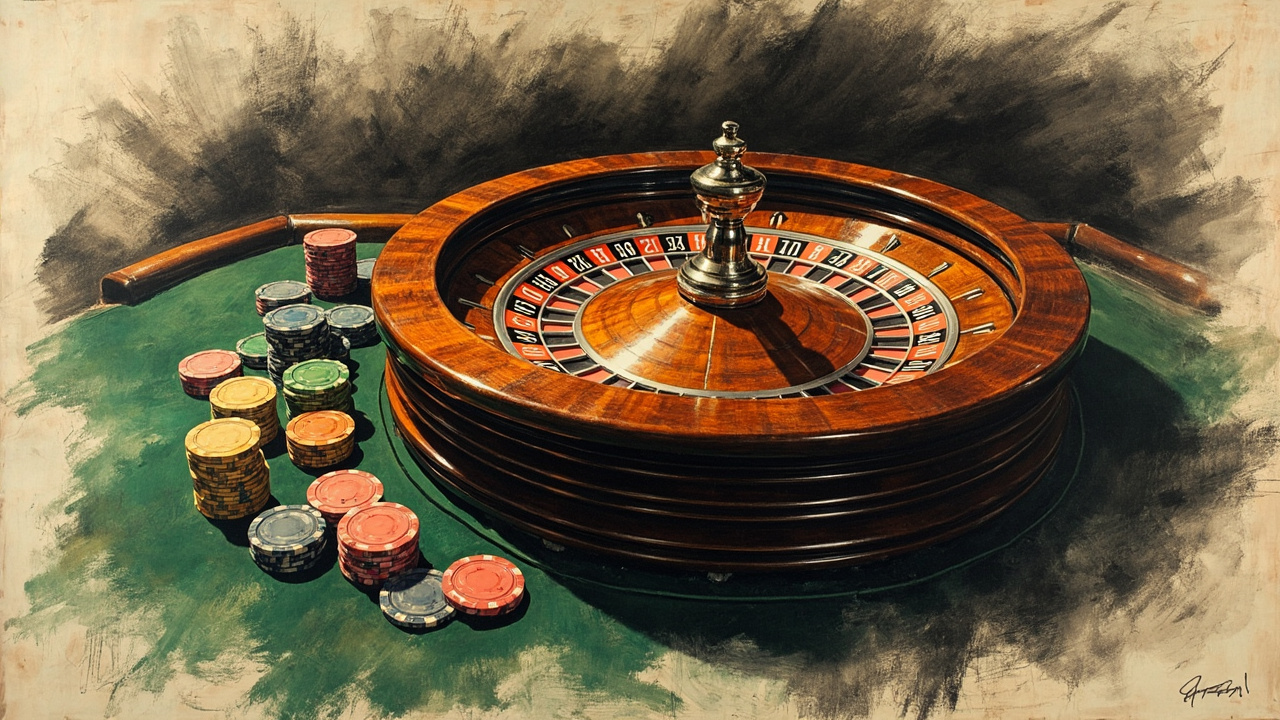
That heart-stopping moment when two matching symbols line up and the third just misses is the single most recycled story in the room. Players swear the machine is teetering on the edge, that it’s practically begging for one more spin, and that the next pull is somehow owed. The reality is far less dramatic, and it’s one of the most persistent slot machine myths debunked by anyone who has actually read the cabinet logic. Every modern reel display runs on a certified random number generator, which means each spin is a fresh calculation that has no memory of the last one. The near miss is just a visual arrangement, not a signal, and the machine doesn’t care whether it just paid out or left you staring at a near-perfect line. I’ve watched the same tired logic play out in the UK, where high street venues run under strict Gaming Commission oversight and still field the same “it’s due” chatter. The regulators there treat the near miss as a design feature that needs careful handling, not a hidden promise, and the Australian approach is much the same: the maths doesn’t bend for folklore, and the glass doesn’t keep score.
The Hot And Cold Cabinet Tale
You’ll hear it in every busy lounge, usually delivered with the certainty of a bloke who’s just won a coin toss and decided he’s cracked probability. One machine is “hot,” another is “cold,” and somewhere in the back of the room there’s a mythical jackpot that’s been building since Tuesday. The truth is that cabinets don’t warm up, don’t cool down, and don’t store up wins for a lucky regular. Each spin is independent, and the return-to-player figure is a long-term average that only makes sense across thousands of spins, not across a single arvo session. I’ve tracked floor performance data in New South Wales venues and the pattern is always the same: short runs look wild, long runs smooth out, and the “cold” machine you’re avoiding is just as random as the one next to it. Europe handles the same myth with clearer signage and published RTP ranges on many digital cabinets, while New Zealand’s regulated rooms lean heavily on player education rather than floor gossip. The takeaway is simple: the machine isn’t keeping a secret tally, and your mate’s “system” is just a story dressed up as strategy.
The Timing And Button Theory
There’s a whole subgenre of belief that says you can outsmart the cabinet by pressing the spin button at the exact right millisecond, or by pausing between pulls, or by switching to the autoplay function at a carefully chosen moment. It sounds clever, and it sounds like the sort of thing a sharp player might crack open with a bit of patience, but it’s another one of those slot machine myths debunked by the basic architecture of the software. The outcome is locked in the instant you initiate the spin, and the timing of your finger or the rhythm of your taps doesn’t shift the result one bit. I’ve seen players treat the button like a piano key, convinced there’s a sweet spot, and I’ve watched the same behaviour in American parlours where the machines are built for speed but the maths is identical. The interface on a modern cabinet is built for clarity and quick play, not for timing tricks, and the localisation on Australian floors keeps the language, currency and help prompts in plain English so there’s no mystery about how the game actually runs. If you want to play with intention, focus on the bet size, the session limit and the pace you’re comfortable with, not on the split-second you tap the screen. sweetbonanza2500au.com
The Payout Pattern People Swear By
The last big story is the one that turns a quiet Tuesday into a conspiracy: the idea that payouts follow a pattern, that the machine runs a cycle, or that the venue subtly adjusts the odds during a slow night. It’s a comforting thought, because patterns feel predictable, and predictable feels manageable, but it’s not how licensed cabinets operate. The software is tested and certified before it ever hits the floor, and the regulatory framework here doesn’t allow a pub or club to tweak the odds on a whim. I’ve covered the rollout of newer cabinets in Sydney venues where the visual identity, navigation and language prompts were rebuilt for clearer play, and the one thing those upgrades never changed was the underlying randomness. The Fontainebleau finally opened after more than a decade of delays, and even a project that tangled with planning, construction and public scrutiny for that long still had to meet the same fixed certification standards once it was ready to operate. Cards spread to Europe via the Islamic world by the late 14th century, and people have been inventing patterns to explain chance ever since, but the cabinet doesn’t care about history or hunches. If you’re playing at a site like sweetbonanza2500au.com, the same principle applies: the game runs on certified randomness, and no amount of pattern-spotting turns a random sequence into a schedule.
Glossary
- RTP (return to player): the long-term percentage a game is designed to pay back across many spins, not a short-term promise.
- RNG (random number generator): the certified software that determines each spin outcome independently.
- Near miss: a visual result where matching symbols almost line up, with no hidden meaning for the next spin.
- Autoplay: a function that runs a set number of spins automatically, with the same random outcomes as manual play.
- RTP range: the published band of return figures some markets display so players can compare game maths before playing.